
As we are spending most of our lives in cyberspace, the threats are increasing as well. The internet today has extended into every human activity, ranging from checking one’s emails to running one’s business. While technology makes life simple, it also makes room for cyber attacks that can steal your data, money, & privacy. This is the first step to solid online protection from threats.
This blog is an extensive piece that explains cybersecurity threats in simple words, shows how cyber attacks happen, and shares easy ways to stay protected. Whether you are a business owner or an individual, this guide can help you stay safe online.
What Are Cybersecurity Threats?
Cybersecurity threats involve attacks and efforts to interfere with, damage, or steal a computer network or system, or to hack into a personal computer. There are hacker attacks, attacks by criminals, and by mistake. Wrongful activities could affect a person, an organization, and even a sector of an economy.
Everyone is affected by cybersecurity threats. Every variety of business and average internet user is now being targeted. One and all must value online security.
Why Cybersecurity Threats Are Increasing
Cybersecurity threats are increasing at a startling pace. The increase in online activities is one key factor. Nowadays, people do online shopping, work from home, and store personal data in the cloud. More opportunities are created for cyber attacks.
Also, viruses and hacking tools get enhanced. Attackers today use advanced software and automation to find weak systems. Easy errors like weak passwords cause problems seven out of ten times.
Cybercriminals find companies attractive targets because they store clients’ data, payment details, & sensitive records. A single cyber attack can cause key losses & damage trust.
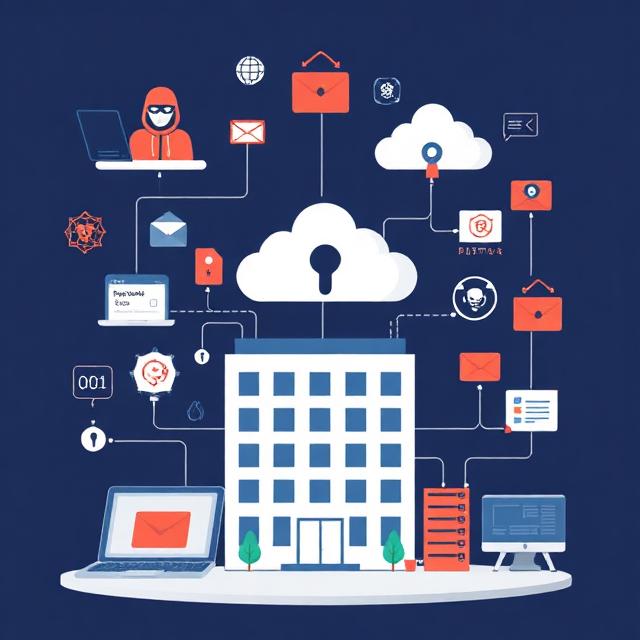
Common Types of Cybersecurity Threats
Malware Attacks
Malware is harmful software that possesses the capability to damage or manipulate computers. It holds such malware anti-virus software. “Malware” is typically spread by spoofed e-mail, questionable websites, and unguarded downloads.
Once this software is installed, it can steal your information, slow down your computer, or encrypt your files until you pay a ransom. “Malware” can be detected & removed before damage is caused using the correct online security tools.
Phishing and Social Engineering
One of the cyber threats is phishing. Hackers cause mail or message attacks that appear authentic. These tricks cause people to enter passwords, credit cards, or other logins.
Emails are not the only means used in social engineering. It acts on panic or anxiety to control individuals. E.g., a message may state that your account will be closed unless you do it immediately.
Being aware of how to identify fake messages is a way of ensuring online security is tighter.
Ransomware Attacks
Ransomware is an unsafe malware. It encrypts your files and requests that you pay to decrypt them. Ransomware attacks have cost many businesses important data.
Such attacks are typically propagated by means of email attachments or bugs. Backups and software updates are good measures to establish a defense against ransomware.
Data Breaches
A data breach occurs when attackers obtain private information. It may be names, emails, passwords, or money details. Violation can occur due to insider threats, bad security, and hacking.
It may be used for fraud or sold for profit once the information is stolen. Top cybersecurity reduces the chances of violating consumer confidence and the quality of services.
Denial of Service (DoS) Attacks
In DoS attacks, a system is filled with traffic. This causes crashes and failures of websites or services. At most, businesses receive such attacks during peak hours.
Although stolen data does not occur, DoS attacks may destroy reputations and revenues. The high-tech security measures can monitor and prevent suspicious traffic.
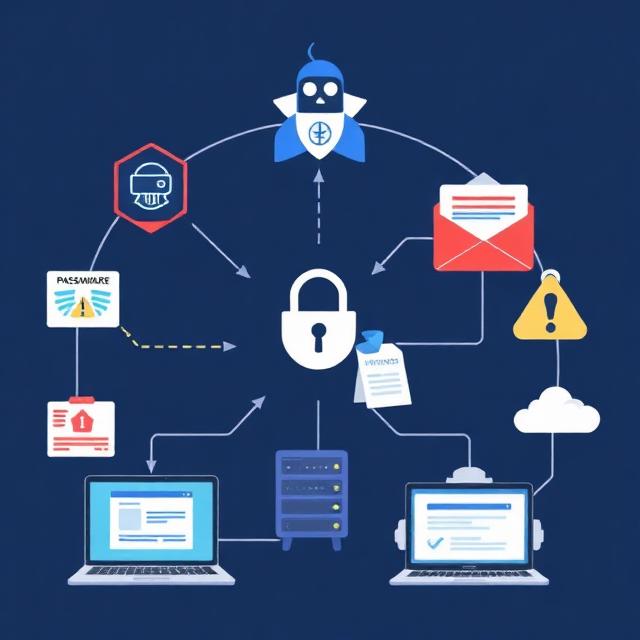
Cybersecurity Threats for Individuals
Any company, not only big ones, can be subject to cyber attacks. Actually, small companies are also highly susceptible. They believe that small companies are the weak link in the chain, and therefore, attackers target them.
Attacks are most commonly done to steal identity, scam, and defraud. These risks are increased by using weak passwords or open Wi-Fi. Simple online security measures can ensure that your information is not stolen and prevent attacks.
Cybersecurity Threats for Businesses
“Cyber threats” are becoming extra complex. Firms store clients’ data, payment information, and internal records. One attack can lead to monetary and legal implications.
Small businesses often become victims due to weak security systems. Ransomware attacks on small companies have become more common. Today, investing in cybersecurity is not optional. It is essential to the survival of the business.
How do Cyber Attacks Happen?
Cyberattacks typically begin with a vulnerability. This can be due to obsolete software, weak passwords, or human errors. Attackers scan systems for these vulnerabilities.
They enter and collect the information or spread the information furtively. Some attacks go undetected for months. Consistent supervision aids early detection of suspicious behaviors. Being aware of the functioning of an attack helps stop it.
The essentials of online safeguards
Protection from online threats to computer software and data. It has a toolkit, principles, and practices to lower risk. Failing to do something as simple as a search on the Internet could lead to a security breach.
Trust is built by security. Customers feel more secure when businesses protect their data. Anyone would use a digital service if they feel their information is protected.
Best Practices to Prevent Cybersecurity Threats
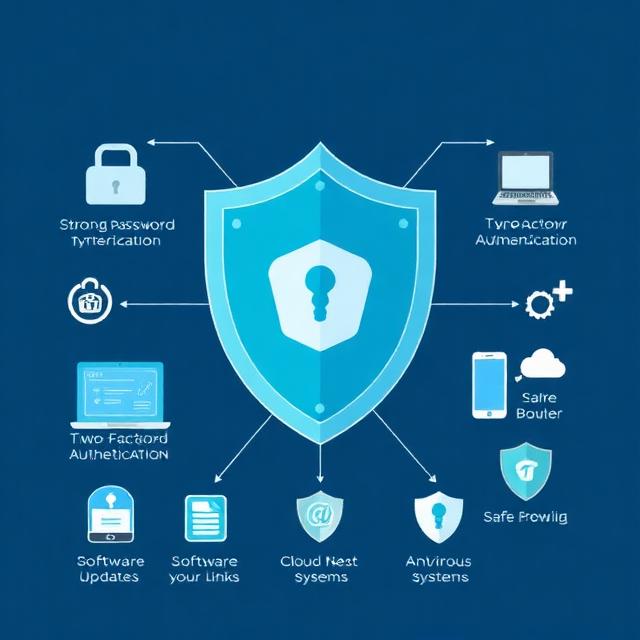
Use Strong Passwords
The first line of defense is a password. Create a long password involving letters, digits, & symbols. Never use the same passwords for different accounts. Using a password manager creates storing strong passwords simpler.
Allow 2-Step Authentication
One method of securing your online service account is through two-factor authentication. Because of the second step, even if a person gets your password, they cannot access your account. The likelihood of a hacking attack is greatly reduced.
Always update your software
Outdated software typically contains numerous bugs. Hackers check these flaws to conduct attacks. A regular update fixes bugs and increases security online.
Think twice before you click that link
Avoid clicking on an unknown link/ never open attachments you were not expecting. Ensure you check the sender’s address and tone of each message.
If you are uncertain, do not open.
Make use of good security tools
You can stop many threats with antivirus apps, firewalls, and monitoring tools. These tools are vital to individuals and companies both.
Influence of Employee towards Cyber Security
It is the employees who can prevent cyber attacks. Folks make errors that cause a lot of assaults. Cybersecurity awareness reduces supply chain and business risks. Useful lessons are on phishing and safe browsing.
Potential Cybersecurity Threats
Threats will continue to grow. Thieves use automated tools and AI platforms. This attack cannot be detected. New security tools are being developed in the interim. Measures such as machine learning are used to combat the current attacks. To stay in the present moment is the best defense.
Why Cybersecurity Awareness is Important
Knowledge is a powerful tool. Factual knowledge of a threat enables people to behave more safely. More than 90% of the attacks can be prevented by a person having basic security knowledge. Familiarization diminishes fear and builds trust for using digital tools.
Conclusion:
Cybersecurity threats are a growing threat in today’s connected digital environment. Everyone across the globe is affected by a cyber attack or data breach. Civilization has led to certain threats which require modern methods to control. Strong online security starts with awareness, easy actions and consistent updates. The future of everyone lies in the safety and security of cyber space.
The rapid growth of the internet will lead to increased cyber threat upto 2026. Staying vigilant, aware, and prepared is how to stay safe online.
FAQs
What do you mean by cyberthreats?
Cybersecurity threats are malicious activities that steal data, disable systems, and damage data, enabling online security threats to personal and business security today.
What are the common types of cyber attacks?
Cyber attacks are common and include phishing, malware, ransomware, hacking attempts & more. These attacks target users worldwide every day. This is done through email, websites & unsecured networks.
How to improve security on the Internet?
Strengthen your online security and online privacy through strong passwords, patching and software updates, antivirus protection & good browsing habits.
What makes businesses targets of cyber attacks?
These days, various businesses globally find themselves facing cybersecurity threats because they store valuable data, are reliant on networks & also lack.