

Selling your digital or marketing agency can feel a bit like handing over the keys to your life’s work. It’s exciting and terrifying at the same time. One part of you is picturing the wire hitting your bank account; the other part is wondering, “What happens to my team? My clients? The platforms and products we’ve built?”
Most owners only sell an agency once. That’s exactly why you need to think beyond “What’s my multiple?” and look at the whole picture: timing, operations, valuation, taxes, deal structure, culture fit, and your life after the exit.
This guide walks you through what seasoned buyers and exited founders wish they’d known sooner—so you can make smarter, calmer decisions when it’s your turn at the table.
What to Know Before Selling Your Agency: Start With Why and When
Before you talk to a broker, respond to that unsolicited email, or Google buyers, get brutally honest about two things:
Why Are You Selling?
Common reasons:
- You’re burnt out and no longer giving it 100%.
- You’ve taken the agency as far as you can and don’t want the next scaling chapter.
- You want to de-risk personally, fund other projects, or change your lifestyle.
- You’re thinking about retirement or a different career entirely.
Your “why” shapes the deal:
- If you’re done and ready to walk away, you’ll push for more cash at close and a shorter earnout or transition.
- If you’re excited about joining a bigger platform, you might trade some cash for equity in the buyer and a stronger long-term upside.
There’s no right answer—but not being clear is a recipe for regret.
When Should You Sell?
The best time to sell is usually before you feel desperate.
Buyers pay the highest multiples for agencies that are:
- Growing consistently, not flat or declining
- Well-positioned in a niche
- Stable in leadership and team
- Not overly dependent on the owner
If you’re thinking of selling “sometime in the next few years,” treat that as a 18–36 month runway:
- First 6–12 months: clean up operations, finances, and positioning
- Next 6–12 months: lock in growth, recurring revenue, and key hires
- Final 6–12 months: run a structured sale process for the best valuation and terms
Make Your Agency Run Without You
One of the biggest shocks for owners is realizing buyers aren’t just buying your revenue—they’re buying how reliably that revenue will continue without you.
Ask yourself:
- Could the agency run smoothly if you disappeared for two weeks?
- Who owns the client relationships: you, or your team?
- Are there clear processes, or is everything tribal knowledge in your head?

Strengthen Your Operating System
Buyers love agencies that look “boring” operationally—in the best possible way:
- Documented SOPs for delivery, onboarding, reporting, billing, and client service
- A clean tech stack (CRM, project management, knowledge base, accounting)
- Clear org chart: who does what, and who leads whom
- Performance metrics by team and function
The goal is simple: a buyer should be able to see how your agency runs today, and how it will keep running with minimal disruption tomorrow.
De-Risk Your People Structure
You don’t need a huge team, but you do need a reliable one:
- Identify key people who are critical to continuity and consider retention plans (bonuses, stay-on agreements).
- Address weak links or “courtesy hires” before due diligence exposes them.
- Make sure your compensation structures are understandable and sustainable from a buyer’s perspective.
You’re not just selling a book of work; you’re selling a machine that produces results.
Make Your Tech Stack a Selling Point, Not a Red Flag
For digital, software, and marketing agencies, your internal tools are part of the asset a buyer is acquiring. Clean, well-documented codebases; stable web and mobile apps; reliable analytics dashboards; and automation that reduces manual work all signal that your business is scalable.
If your delivery relies on fragile scripts, outdated plugins, or “Frankenstein” systems glued together over the years, start refactoring and simplifying now. Modernizing your stack, consolidating tools, and investing in better reporting doesn’t just make life easier today—it also makes your agency far more attractive to a sophisticated buyer who thinks in terms of technology risk.
Know Your Numbers Like a Buyer Does
Most owners know top-line revenue. Great owners know what buyers actually care about:
Profit Metrics (EBITDA or SDE)
Depending on your size, buyers usually look at:
- EBITDA (Earnings Before Interest, Taxes, Depreciation, and Amortization) for larger, more mature agencies.
- SDE (Seller’s Discretionary Earnings) for smaller, owner-operator shops.
Your sale price will often be a multiple of one of these. That multiple moves up or down based on risk factors like:
- Revenue predictability (recurring revenue vs. one-offs)
- Client concentration (no single client should be 20–30%+ of revenue if you want a premium)
- Growth rate and margin trends
- Dependency on the owner
Clean, Consistent Financials
Buyers want at least three years of:
- Profit & Loss statements
- Balance sheets
- Tax returns
- Detailed revenue breakdown by client, service, and channel
If your books are messy, invest in a proper accountant before you sell. Clean financials can move your multiple more than any clever pitch deck.
Legal, Compliance, and Risk: Unglamorous but Essential
Many deals don’t fall apart over strategy; they fall apart over paperwork and risk.
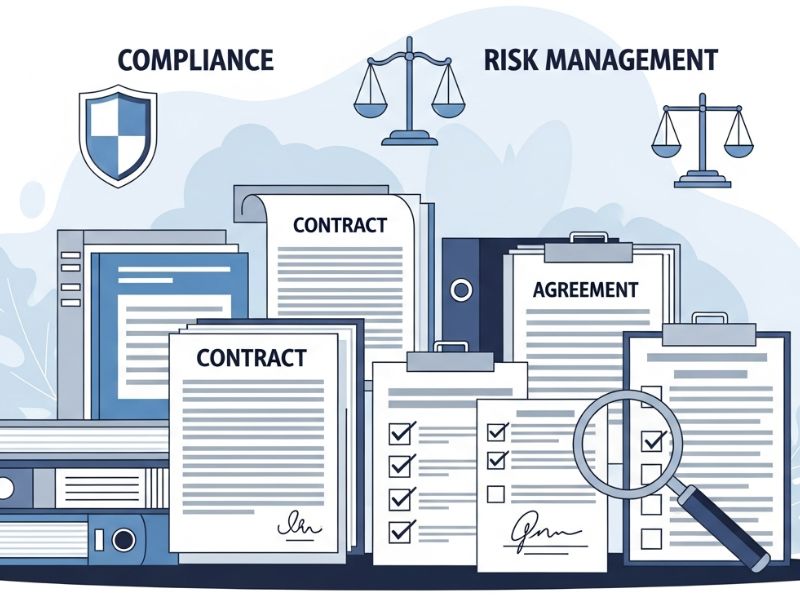
Get Your Contracts and IP Tight
Before you go to market, review:
- Client contracts: Are they assignable to a new owner? Any “change of control” clauses?
- Vendor and partner agreements: Any long-term obligations a buyer needs to know about?
- Employment agreements: Do key team members have contracts or at least clear offer letters?
- Intellectual property: Who actually owns your code, creative work, templates, or proprietary methods?
Fixing these issues early makes due diligence smoother and positions you as a low-risk, professional seller.
Think About Taxes Early, Not at Closing
Tax treatment can radically change how much you keep:
- Asset sale vs. stock sale
- Capital gains vs. ordinary income
- How earnouts and installments are structured
- Which jurisdiction(s) you and the business operate in
Smart owners bring in a tax-savvy CPA or tax attorney 12–18 months before a sale conversation heats up. It’s one of the easiest ways to avoid unpleasant surprises when the deal is already on the table.
Choosing the Right Buyer (Not Just the Highest Offer)
It’s tempting to chase the biggest number, full stop. But the “best” buyer is a mix of price, terms, and fit.
What to Look For
- Strategic fit: Does the buyer understand your niche, your clients, and your model?
- Culture: Will your team survive and thrive under their leadership?
- Reputation: Talk to founders who’ve sold to them. Are they happy 1–3 years later?
- Deal structure: How much is cash at close vs. earnout vs. equity? What’s realistic based on your pipeline and market?
Understand the Stages of a Deal
Roughly, you’ll go through:
- Exploratory conversations – non-binding, just feeling out fit.
- Indicative offers – high-level number ranges and structures.
- LOI (Letter of Intent) – a more detailed, usually exclusive agreement on price and terms.
- Due diligence – deep dive into your numbers, contracts, tech, people, and risks.
- Definitive agreements & closing – asset or share purchase agreement, employment/consulting agreements, and final signatures.
Don’t treat the LOI as “we’re done.” It’s the beginning of the serious part of the process.
Communicating the Sale to Your Team and Clients
When you’re in the thick of negotiations, it’s easy to forget that other people’s lives are about to change too.
With Your Team
- Timing: You typically wait until the deal is signed (and ideally funded) before announcing it internally.
- Story: Explain why you sold, what it means for them, and what’s staying the same.
- Clarity: Be honest about reporting lines, roles, and any expected changes over the next 6–12 months.
Handled well, a sale can feel like a win for your team, not just a cash-out for you.
With Your Clients
Clients mostly care about three things:
- Will I still get results?
- Will my main contact stay the same?
- Is my retainer going up?
Proactively reassure them:
- Introduce the new owners or leadership early.
- Emphasize continuity and any new benefits (wider capabilities, deeper bench, etc.).
- Follow up closely for the first few months to catch any risk of churn.
Don’t Forget the Most Underrated Part: Your Life After the Exit
Many founders underestimate the emotional hangover after a sale.
Ask yourself:
- What will my day-to-day look like if I stay on with the buyer for 2–3 years?
- If I’m leaving, what will I do the Monday after closing?
- How will I invest or use the proceeds?
- Do I want another business, or is it time for something entirely different?
Your future shouldn’t be an afterthought. Design it intentionally, not as a side-effect of the deal.

Special Considerations if You’re Selling an Insurance Agency
If your agency is in the insurance space, the fundamentals above still apply—but buyers pay even more attention to:
- Loss ratios and carrier relationships
- Mix of personal vs. commercial lines
- Commission structures and contingencies
- How much of your book is concentrated in a handful of carriers or large accounts
In that world, specialized guidance can make a significant difference in both valuation and deal structure. If you want a deeper, insurance-specific checklist of what to know before selling your agency, this guide walks through how to prepare your book of business, carriers, and financials before you go to market.
Final Thought: Turning Your Agency Sale Into a Strategic, Low-Regret Exit
Selling your agency isn’t just a financial transaction; it’s a strategic and deeply personal turning point.
If you:
- Give yourself enough runway
- Build an agency that runs without you
- Know your numbers and clean up your books
- Choose a buyer for fit, not just price
- Protect your team, clients, and future self
you’ll be in a far stronger position—financially and emotionally—when it’s finally time to sign.