
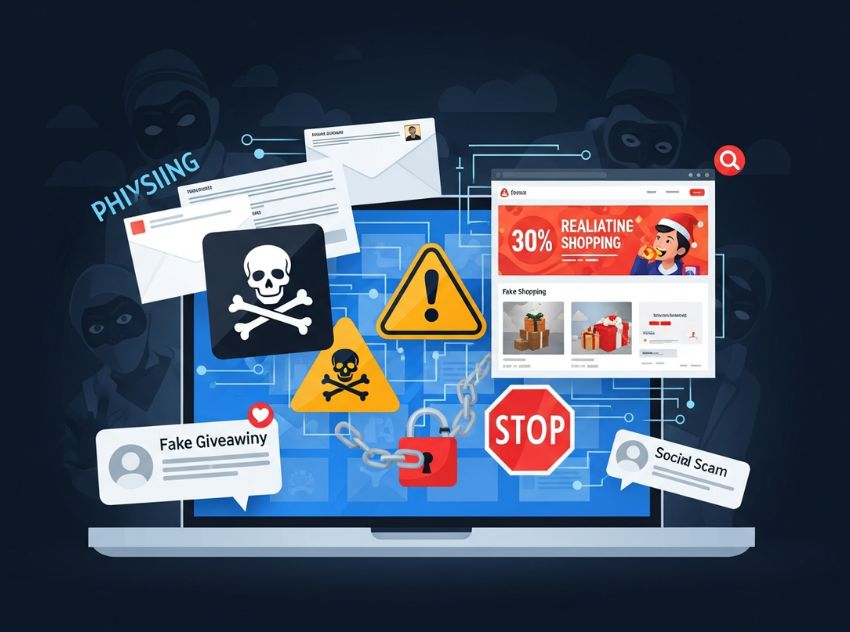
Scams are becoming more common every single day. The internet is used by millions of people for work, shopping, banking, and socialising. Online trickery of people; scammer’s learning. They get your private information by sending fake emails, making false websites, and pretending to be trusted companies or friends.
Even intelligent individuals can be tricked. Scammers deliberately target other people who are not weak or careless. They go for everyone busy, trusting, and unknowing. What are online scams in simple words 2023. We will learn how scammers do things, how to identify them and how to remain safe.
Definition of Online Scams
Scams perpetrated over the Internet with the aim of defrauding money, personal information or account access are called Online Scams. Scammers use emails, calls, messages and fake websites.
Fraudsters on the internet are plotting. An email from a bank may look like this. A website can look like a screenshot from an online shop. This is how people get scammed despite taking proper precautions against scammers.
These online scams usually don’t just involve money. Scammers could steal your passwords, account or personal data. Knowing how cons work is the first step to protection.
Why Online Scams Are Increasing
The internet has simplified our lifestyles. However, it has simply made scamming simple. Individuals are making their purchases online, sending money online transferring money. Scammers exploit this type of behavior.
Online, people act quickly without looking for details. Scammers create urgency to make victims act fast. Common is something that you will. Scammers can now reach millions of people in seconds through technology. Fake emails, text messages, and advertisements spread fast.
Most Popular Online Scams
-
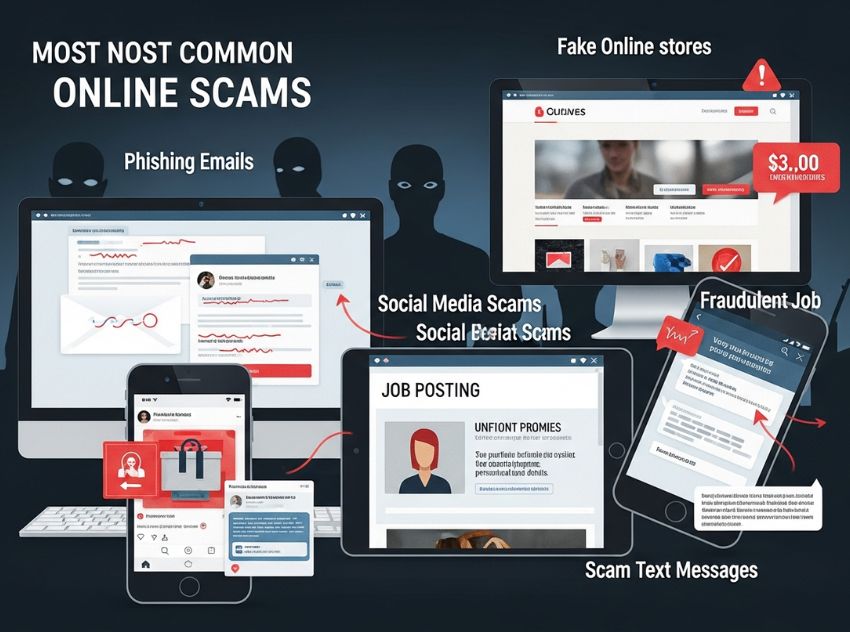
Email Fraud
Emails impersonating banks, businesses, and government organizations are sent by scammers. The message states that your account is blocked or that you won an award. They request your personal information or links.
-
Counterfeit Virtual Retailers
Fake websites sell products at very cheap rates. The product never arrives after payment. Identity and Credit Card Theft by Sites
-
Social Fraud Through Social Media
Fake profiles may look like friends, brands, and celebrities. They ask for money or send links. Many people do fake giveaways and competitions.
-
Unemployment Fraud
Phony job offers guarantee high pay for low effort. They request personal details or money. A lot of victims get their money stolen or their identity.
-
Scam Emails and Texts
Phishing attempts to deceive user into giving sensitive data. Smishing is a type of scam through SMS or mobile apps.
How Online Scams Deceive People
Scammers exploit feelings. They incite fear, thrill, or compassion.
“Your account will be closed.”
You Have Won A Gift Card.
This person is showing sympathy to someone who is in trouble and needs help.
These techniques cause people to act in haste. It is vital to pause and verify before you react to anything suspicious.
Counterfeit Websites and Scams Online
Deceptive sites can harm you. Authentic brands are copied and are almost the same.
Examine for
The address of the site contains minor spelling errors.
Insufficient contact details
The connection is not secure (HTTPS)
Verify first before you give out your payment.
Mobile Phone Scams
Mobile Phones are being targeted. Criminals impersonate banks to send fake SMS, WhatsApp messages, or make calls. Clicking links from unknown numbers is dangerous. Always fact check from an official.
- Who is at greater risk?
- Anyone can become a target.
- Older adults may not be tech-savvy.
- Young users might be gullible.
- Busy professionals may react too quickly.
- Awareness safeguards all.
Financial Losses Due to Internet Fraud
Internet fraud results in billions of dollars through losses all over the world. Losses of small amounts occur for a few people. Life savings lost by others.
The losses are not only pecuniary. Victims lose faith and peace of mind. That’s why scam prevention tips are essential.
Important Scam Prevention Tips
- Always Verify Before Trusting: Check email addresses, phone numbers, and website URLs.
- Do Not Share Personal Information: Banks never ask for passwords or OTPs via email or SMS.
- Use Strong Passwords: Different passwords for different accounts reduce risk.
- Enable Two-Step Verification: This adds extra security.
- Pause and Think: Scammers create urgency. Take time before responding.
- Keep Devices Updated: Software updates fix security issues.
- Use Security Software: Antivirus and firewall help protect devices from attacks.
Online Scams on Social Media
Social media is a major target. Scammers use:
- Fake ads
- Fake giveaways
- Fake profiles
They frequently duplicate images and testimonials. Always check profile history and engagement to trust offers.
Scams of Online Shopping
Fraud sellers are giving huge discounts. They request payment in advance. Once money is sent communications cease No product, no refund is there. Buy from sites you trust and read reviews.
Online Scams Affect Small Businesses
Other kinds of businesses also face the risk. Supplier scams, fake invoices and payment frauds are common. By training staff and instilling clear payment rules, the risk is minimized. Wary maintains business assets.
Teaching your family about scams
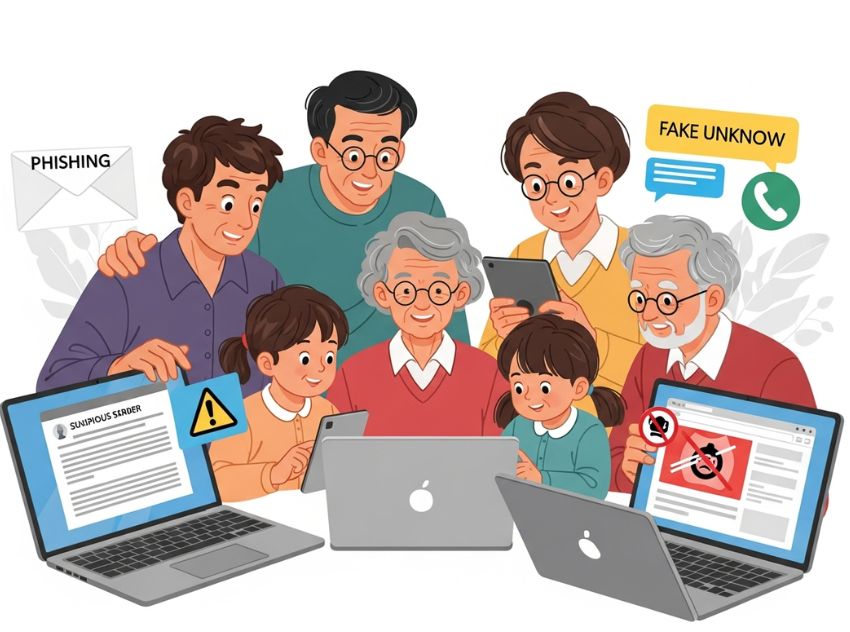
Learning is essential. Instruct family members on scams.
- Children: Do not share personal info online
- Elders: Recognize fake messages and emails
- Everyone: Pause before clicking links
Sharing knowledge is one of the best scam prevention tips.
What To Do If You Become a Victim
If you fall for a scam:
- Block accounts and change passwords
- Contact your bank immediately
- Report the scam to authorities
- Keep all evidence
Quick action reduces damage.
Role of Awareness
Awareness helps reduce online scams. People learn from guides, campaigns, and shared experiences. Knowledge is stronger than fear.
Scams Keep Changing
Scammers update their tricks. What worked last year may look different now. Stay updated. Read trusted blogs and news about digital safety.
Safe Online Habits
- Check sources before clicking links
- Think before sharing personal info
- Shop only on trusted websites
- Use strong passwords and verification
- Teach family and friends
Safe habits prevent most online scams.
Online Scams Are Not Only About Money
Scammers can also steal:
- Personal information
- Login credentials
- Identity information
This information can be used to open fake accounts or commit crimes. Awareness prevents this.
Final Thoughts
Scams can be avoided altogether, but online scams are serious. Scams on the internet rely on creating disorder and fear to acquire trust and avoid detection. Practicing safety and sharing safe practices protects you and others. If you follow some simple tips to avoid scams, using the internet will be easy. Stay alert and careful to protect your family and yourself.
FAQs
How do I know if an online job is a scam?
Watch out for jobs promising high pay for little work, asking for upfront fees, or requesting personal and financial information. Check the company’s website, reviews, and official contact details before applying.
How to protect yourself from internet scammers?
Always verify your sources, use a strong password, and enable 2-step verification. Do not disclose personal details online.
How Internet scams are connected with money?
No. They can take personal details, login credentials and identity. Monetary damages and other damages could be there.
What to do if I click a scam link?
Change the passwords to your accounts and scan your device right now. Get in touch with your bank. Report the scam online.