
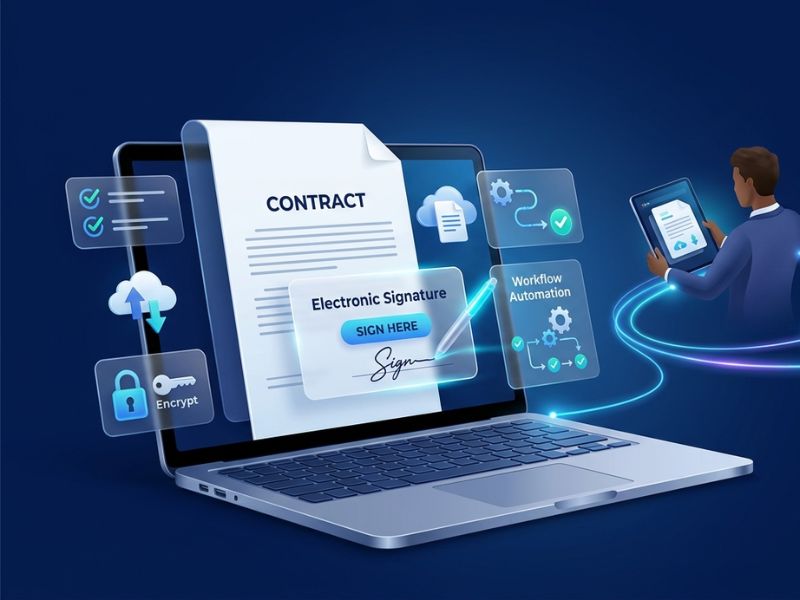
Digital document management has become a standard part of modern business operations. Organizations of every size now rely on online platforms to create proposals, contracts, agreements, invoices, and internal documentation without using paper-based workflows. Cloud technology, electronic signatures, and workflow automation have transformed how businesses collaborate with customers, employees, and partners. In 2026, companies expect document solutions to be secure, accessible from any device, and capable of supporting remote collaboration while maintaining compliance with industry regulations.
One of the most common reasons users explore digital document platforms is the need to change your signature quickly without printing or scanning paperwork. Modern electronic signature solutions make it possible to update personal signatures, customize signing preferences, and securely approve documents from virtually anywhere. This flexibility helps professionals maintain productivity while ensuring that every signed document remains legally valid and properly recorded.
Why Businesses Are Moving to Online Document Management
Traditional paper-based processes are often slow, expensive, and difficult to manage. Printing, shipping, scanning, and manually filing documents consume valuable time and increase the risk of errors.
Online document management systems help organizations:
- Eliminate paper workflows
- Improve collaboration
- Reduce administrative costs
- Accelerate approvals
- Increase document security
- Simplify record keeping
- Support remote work
These benefits make digital document platforms an essential investment for companies focused on efficiency and growth.
Creating Professional Documents Online
Modern document platforms provide intuitive tools that allow users to create professional files without advanced technical knowledge.
Common document types include:
- Sales proposals
- Business contracts
- Employment agreements
- Service agreements
- Purchase orders
- Non-disclosure agreements
- Internal policies
Many platforms include customizable templates, allowing organizations to maintain consistent branding and formatting across every document.
Advantages of Electronic Signatures
Electronic signatures have become widely accepted for both internal and external business transactions. They eliminate unnecessary delays while providing secure methods for document approval.
Key advantages include:
Faster Completion
Documents can be signed within minutes rather than days.
Greater Convenience
Users can sign documents from computers, tablets, or smartphones.
Improved Security
Encryption, authentication, and audit trails help protect sensitive information.
Better Organization
Signed documents are automatically stored and remain easy to retrieve.
These advantages have contributed to the widespread adoption of electronic signatures across nearly every industry.
Leading Platforms for Online Document Management
1. DocuSign
DocuSign remains one of the most widely recognized electronic signature solutions in the world.
Its capabilities include:
- Secure electronic signatures
- Workflow automation
- Cloud document storage
- Advanced authentication
- CRM integration
The platform serves businesses ranging from small startups to large global enterprises.
2. PandaDoc
PandaDoc combines document creation, proposal management, contract automation, and electronic signatures into one platform.
Its key features include:
- Drag-and-drop document editor
- Content libraries
- Workflow automation
- Real-time tracking
- Payment collection
It is especially popular among sales organizations that generate large numbers of customer proposals.
3. Getaccept
Getaccept offers an integrated solution that combines digital sales rooms, proposal management, document tracking, customer engagement, and electronic signatures.
Its major features include:
- Interactive sales documents
- Electronic signatures
- Proposal automation
- Buyer engagement analytics
- CRM integrations
- Automated workflows
Organizations appreciate its ability to connect document management with the overall sales process, helping teams collaborate more effectively from proposal creation to final contract approval.
4. Adobe Acrobat Sign
Adobe Acrobat Sign builds upon Adobe’s long history of digital document technology.
Its strengths include:
- Secure cloud signing
- PDF management
- Compliance support
- Enterprise integrations
- Mobile accessibility
Many organizations already using Adobe products find the platform easy to adopt.
5. Dropbox Sign
Dropbox Sign provides a simple and user-friendly approach to electronic signatures and document management.
Its features include:
- Easy document sharing
- Online signatures
- Workflow automation
- API integrations
- Cloud storage compatibility
It is well suited for businesses seeking an uncomplicated signing experience.
How to Electronically Sign Documents
Many users wonder how to electronically sign a word document without printing it first. Modern document platforms make this process straightforward.
A typical workflow includes:
- Upload the Microsoft Word document.
- Add signature fields where signatures are required.
- Assign recipients.
- Send the document electronically.
- Recipients review and sign digitally.
- The completed document is securely stored with an audit trail.
This process usually takes only a few minutes and eliminates the delays associated with traditional paper workflows.
Best Practices for Managing Digital Documents
Successful document management extends beyond simply creating and signing files.
Organizations should establish procedures for:
Version Control
Maintain clear records of document revisions.
Secure Storage
Store documents in encrypted cloud environments with appropriate access controls.
Permission Management
Ensure only authorized individuals can view or edit sensitive files.
Backup Policies
Regular backups protect against accidental data loss.
Retention Rules
Create policies for retaining and deleting documents according to legal requirements.
These practices improve security while supporting regulatory compliance.
Emerging Trends in Digital Document Management
Several important developments continue shaping document technology in 2026.
Artificial Intelligence
AI assists with:
- Document summarization
- Automatic content generation
- Clause recommendations
- Data extraction
- Workflow optimization
Workflow Automation
Organizations increasingly automate document routing, approvals, reminders, and notifications.
Cloud Collaboration
Real-time editing and simultaneous collaboration continue to improve productivity.
Enhanced Security
Biometric authentication and advanced encryption provide stronger protection for sensitive business information.
Integration Ecosystems
Modern document platforms increasingly connect with CRM, ERP, accounting, and communication systems.
Choosing the Right Platform
Selecting the most appropriate solution depends on business requirements and long-term objectives.
Important evaluation criteria include:
- Ease of use
- Security standards
- Integration capabilities
- Workflow automation
- Mobile support
- Compliance certifications
- Customer support
- Pricing
- Scalability
Testing platforms through free trials or pilot programs can help organizations identify the best fit before making a long-term investment.
Conclusion
Creating, signing, and managing documents online has become an essential part of modern business operations. Digital document platforms help organizations reduce administrative work, accelerate approvals, improve collaboration, and strengthen security while supporting increasingly remote and distributed workforces.
Solutions such as DocuSign, PandaDoc, Getaccept, Adobe Acrobat Sign, and Dropbox Sign each provide valuable capabilities that simplify document workflows. The ideal platform depends on an organization’s size, operational complexity, integration requirements, and growth plans. By adopting modern document management technology and following best practices for security and organization, businesses can build faster, more efficient, and more reliable digital workflows throughout 2026 and beyond.